 English
 España
Fuel tanks must meet various requirements, including a way to measure the fuel level and vent fuel vapors. They must also feed the engine and have safety features. For example, plastic fuel tanks are prone to becoming saturated with fuel, so they should be designed to accommodate this risk. In addition, tanks should meet U.S. safety regulations, which include a design that is Underwriters Laboratories-approved.

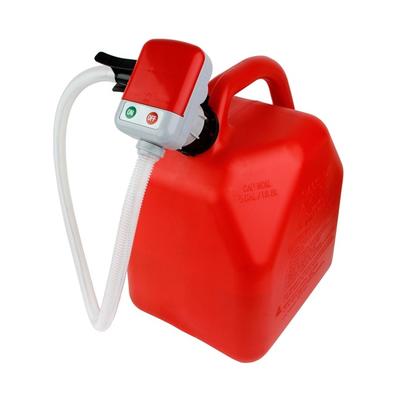
When choosing a portable fuel tank, it is important to ensure that it meets the EPA standards for ethanol and gasoline. These tanks typically have a capacity of 12 gallons and are used in a variety of marine applications. It is also important to make sure that the nozzle is in contact with the tank to prevent static electricity. If static electricity builds up in the tank, it can result in a fatal explosion.
Fuel tanks can be buried underground, which may be an affordable and environmentally friendly solution. However, this method is not as easy to monitor for leaks and poses significant environmental risks. Whether or not a fuel tank is underground, the right type is important. It is important that the fuel tank is made of durable plastic to withstand the elements.